
Cost of living in Japan
Overview
Living in Japan can vary significantly depending on the city, lifestyle, and accommodation type. Major cities like Tokyo and Osaka tend to be more expensive, while smaller cities and rural areas are more affordable.
This section breaks down typical monthly expenses, helping you plan your budget before moving to Japan.
Monthly Expenses Breakdown
Below is a comprehensive table showing estimated monthly costs in different cities for various categories. It reflects average prices for a single person but can vary depending on lifestyle.
| Category | Description | Tokyo | Osaka | Other Cities |
|---|---|---|---|---|
| Accommodation (1BR Apartment) | Monthly rent for a one-bedroom apartment far from center | ¥70,000–¥100,000 | ¥40,000–¥60,000 | ¥30,000–¥50,000 |
| Accommodation (1BR Apartment) | Monthly rent for a one-bedroom apartment in city center | ¥100,000–¥150,000 | ¥70,000–¥120,000 | ¥50,000–¥80,000 |
| Accommodation (2BR Apartment) | Monthly rent for a two-bedroom apartment in city center | ¥150,000–¥250,000 | ¥120,000–¥180,000 | ¥80,000–¥120,000 |
| Share House / Guesthouse | Monthly rent in shared accommodation | ¥40,000–¥80,000 | ¥35,000–¥70,000 | ¥30,000–¥50,000 |
| Utilities | Electricity, water, gas, heating | ¥8,000–¥15,000 | ¥8,000–¥15,000 | ¥8,000–¥15,000 |
| Groceries | Monthly cost of groceries per person | ¥27,000–¥55,000 | ¥25,000–¥50,000 | ¥22,000–¥45,000 |
| Eating Out (Casual Meal) | Average cost per meal at a local restaurant | ¥1000–¥1,500 | ¥1000–¥1,300 | ¥1000–¥1200 |
| Eating Out (Mid-range Restaurant) | Average cost per person at a mid-range restaurant | ¥2,000–¥4,000 | ¥1,800–¥3,500 | ¥1,500–¥3,000 |
| Public Transport (Monthly Pass) | Metro, bus or train monthly pass | ¥10,000–¥15,000 | ¥8,000–¥12,000 | ¥5,000–¥10,000 |
| Bicycle | Purchase or rent for short distances | ¥5,000–¥15,000 | ¥4,000–¥12,000 | ¥3,000–¥10,000 |
| Mobile Phone / Internet | Monthly phone plan with data | ¥2,500–¥6,000 | ¥2,500–¥6,000 | ¥2,500–¥6,000 |
| Gym / Fitness | Monthly membership | ¥3,000–¥10,000 | ¥3,000–¥10,000 | ¥3,000–¥10,000 |
| Health Insurance | Mandatory health insurance per person | ¥2,000–¥3,000 | ¥2,000–¥3,000 | ¥2,000–¥3,000 |
| Entertainment / Leisure | Movies, bars, hobbies per month | ¥5,000–¥15,000 | ¥5,000–¥12,000 | ¥4,000–¥10,000 |
| Miscellaneous / Contingency | Unexpected expenses or small purchases | ¥5,000–¥10,000 | ¥5,000–¥10,000 | ¥5,000–¥10,000 |
Accommodation Tips
Rent is usually the largest expense. Choosing a share house or living slightly outside city centers can save a lot.
Utilities like electricity, gas, and water can vary by season — expect higher costs in summer (air conditioning) and winter (heating).
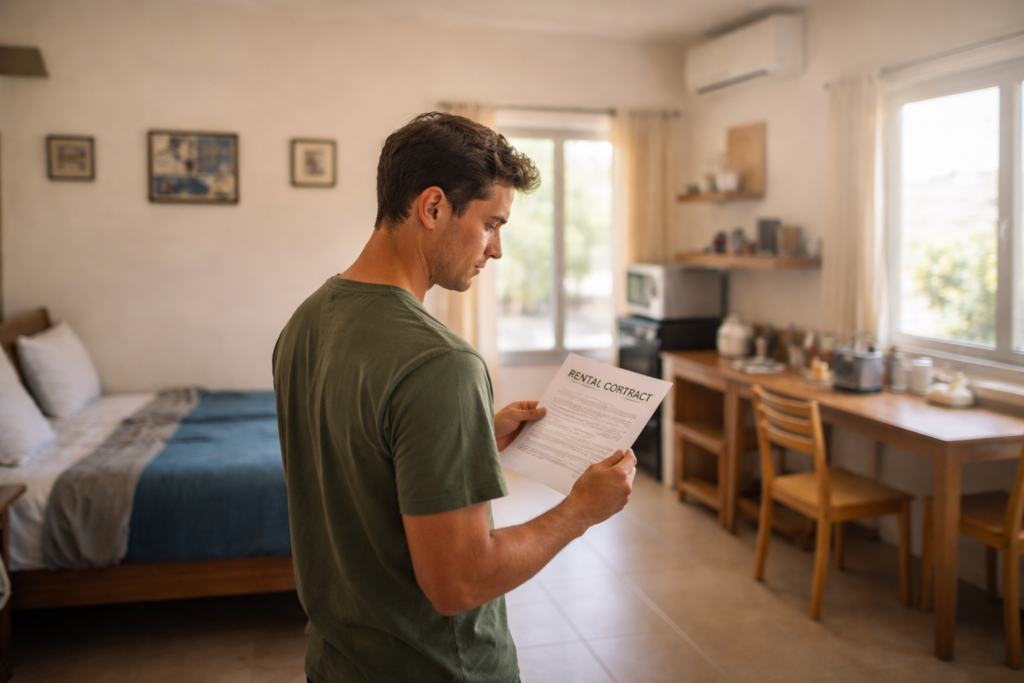
Signing longer-term rental contracts sometimes reduces the monthly rent.
Food & Groceries Tips
Even if Japan is cheap, cooking at home is cheaper than eating out. Local supermarkets and discount stores offer affordable options.
Convenience stores (Konbini) are convenient but usually more expensive than supermarkets.
Eating out occasionally in casual restaurants is normal, but mid-range restaurants can quickly increase monthly expenses.
Transportation Tips
Public transport is efficient but can be costly in major cities. Monthly passes are recommended for commuters.
Biking is a popular, low-cost alternative in many cities.
Owning a car is expensive due to parking, insurance, taxes, and maintenance.

Other Monthly Costs
Mobile phone / internet: Costs depend on the provider and plan.
Fitness / leisure: Optional, but gyms and hobbies can add to your budget.
Health insurance: Mandatory for all residents — students pay less, full-time workers pay more.
Miscellaneous: Always keep a buffer for unexpected expenses.